
[박종진 기자]
1. 전주부(全州府)를 멈춰 세운 변고와 관찰사의 결단
1837년(헌종 3년) 11월 초사흘, 전라도 감영이 위치한 전주부의 공기는 예년보다 차가웠을지도 모른다. 당시 전라도관찰사였던 이헌구(1784~1858)의 집무실에는 팽팽한 긴장감이 감돌았다. 전라도 지역의 인재를 선발하는 중요한 시험인 '공도회(公都會) 승보복시(陞補覆試)'를 주관해야 할 도사(都事) 이유형(李維馨)이 2년째 전주에 발을 들이지 못했기 때문이다.
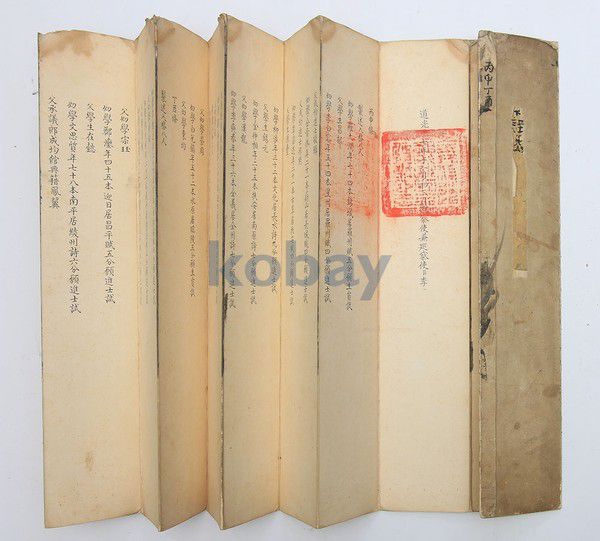
기록은 이를 '변고(變故)'라 짧게 적고 있다. 구체적으로 어떤 신변의 문제였는지는 알 수 없으나, 행정의 공백은 자칫 지역 유생들의 원망과 선비들의 사기 저하로 이어질 수 있는 중대사였다. 이때 이헌구는 결단을 내린다. 전례를 살펴 도신(道臣)인 자신이 직접 시험을 주관하기로 한 것이다. 이 [계문첩]은 바로 그 긴박했던 행정의 현장과 엄격한 선발 과정을 예조에 보고하기 위해 작성된 절첩(折帖) 형태의 보고서다. <제274회 ㈜코베이옥션 삶의흔적 경매전 출품작>
 |
1. 전주부(全州府)를 멈춰 세운 변고와 관찰사의 결단
1837년(헌종 3년) 11월 초사흘, 전라도 감영이 위치한 전주부의 공기는 예년보다 차가웠을지도 모른다. 당시 전라도관찰사였던 이헌구(1784~1858)의 집무실에는 팽팽한 긴장감이 감돌았다. 전라도 지역의 인재를 선발하는 중요한 시험인 '공도회(公都會) 승보복시(陞補覆試)'를 주관해야 할 도사(都事) 이유형(李維馨)이 2년째 전주에 발을 들이지 못했기 때문이다.
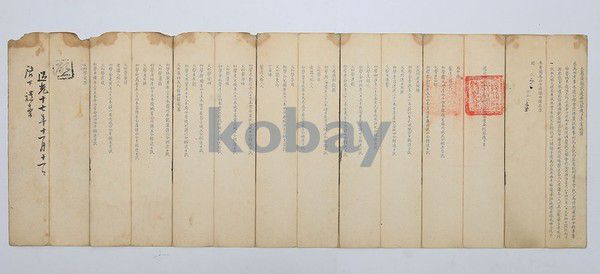 |
기록은 이를 '변고(變故)'라 짧게 적고 있다. 구체적으로 어떤 신변의 문제였는지는 알 수 없으나, 행정의 공백은 자칫 지역 유생들의 원망과 선비들의 사기 저하로 이어질 수 있는 중대사였다. 이때 이헌구는 결단을 내린다. 전례를 살펴 도신(道臣)인 자신이 직접 시험을 주관하기로 한 것이다. 이 [계문첩]은 바로 그 긴박했던 행정의 현장과 엄격한 선발 과정을 예조에 보고하기 위해 작성된 절첩(折帖) 형태의 보고서다. <제274회 ㈜코베이옥션 삶의흔적 경매전 출품작>
 |
2. 펼쳐진 종이 위에 아로새겨진 이십 인의 청춘
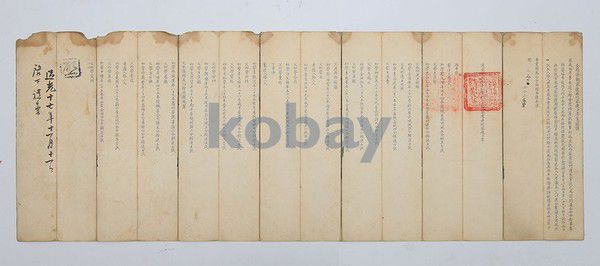
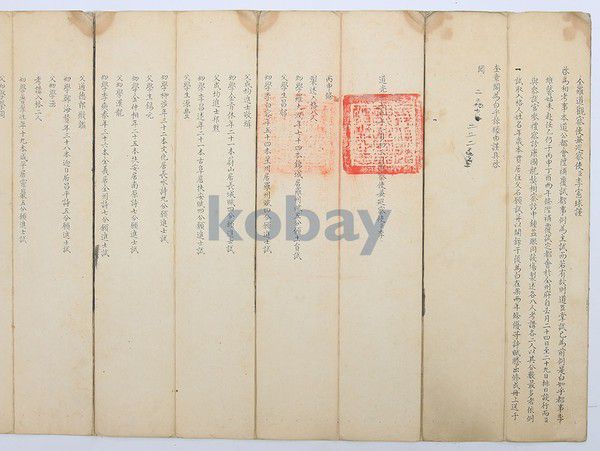
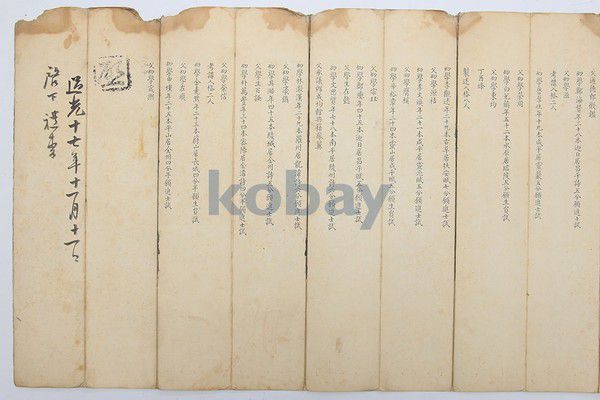
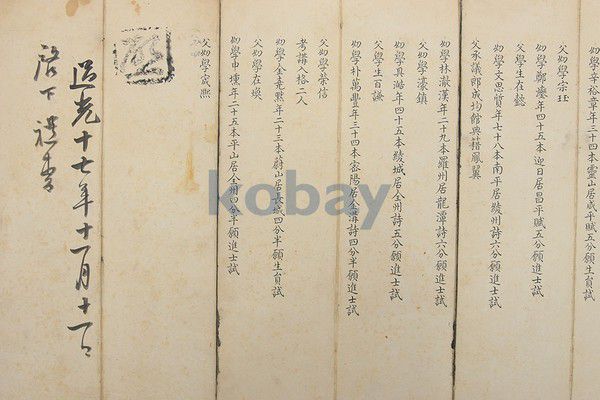
가로 44.5cm, 세로 9cm의 절첩을 조심스레 펼치면, 병풍처럼 이어지는 누런 종이 위에 당시의 기록이 파노라마처럼 나타난다. 1836년과 1837년 양년에 걸쳐 선발된 합격자들의 명단이 묵직한 필치로 빼곡하다. 제술(製述; 글짓기)로 뽑힌 16명과 고강(考講; 경전 암송)으로 뽑힌 4명, 총 20명의 청춘이 그곳에 정갈하게 아로새겨져 있다. 합격자의 성명과 나이, 본관은 물론이고 그들의 거주지와 부친의 성명까지 상세히 기록되었다.
 |
당시 시험은 단순히 등수를 매기는 것에 그치지 않았다. 성적이 특별히 우수한 자의 시(詩)와 부(賦)는 별도로 베껴 책으로 묶은 뒤, 규장각(奎章閣)으로 올려보냈다. 중앙 정부에 지역 인재를 알리려는 관찰사의 정성이자, 합격자들에게는 가문의 영광을 넘어 국가적 인재로 공인받는 순간이었을 것이다. 얼룩지고 해진 종이의 질감 사이로, 낙방의 고배를 마신 수많은 유생의 탄식과 마침내 이름을 올린 이들의 떨리는 숨결이 여전히 배어 나오는 듯하다.
 |
3. '전라도관찰사지인' 속에 담긴 행정의 엄격함
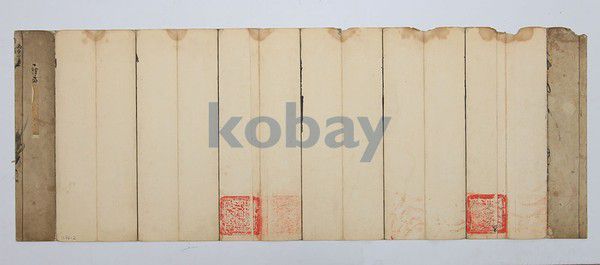
이 유물의 시각적 권위는 도입부에 찍힌 큼지막한 사각 관인에서 완성된다. '전라도관찰사지인(全羅道觀察使之印)'이라 선명하게 새겨진 이 인장은 관찰사 이헌구가 이 시험의 결과에 대해 전적으로 책임을 지겠다는 행정적 의지의 표현이다. 또한 문서의 마지막에는 예조에 보고를 마쳤다는 의미의 '계(啓)' 자 관인이 날인되어 보고 체계의 완결성을 더한다.
 |
시험을 마친 지 불과 8일 만에 이 완벽한 보고서가 완성되어 한양으로 향했다는 점은 놀라운 대목이다. 접으면 한 손에 들어오는 실용적인 절첩의 형태는 보고의 신속함과 격식을 동시에 보여준다. 조선은 흔히 '유교의 나라'라고 하지만, 실상은 철저한 '기록의 나라'였다. 도사가 부재하는 비상 상황에서도 관찰사는 당황하지 않고 전례를 찾아 시험을 집행했으며, 그 과정을 한 치의 오차 없이 '문서화'하여 붉은 관인을 날인하였다. 오늘날 우리가 19세기의 낡은 종이를 통해 당시의 시험 분위기를 복원할 수 있는 것은 바로 이 기록의 치열함 덕분이다.
 |
4. 예측 불가능한 삶을 대하는 기록의 자세
사람들은 흔히 완벽한 계획 속에서 삶이 영위되기를 바란다. 그러나 1837년 전라도 감영의 사례처럼, 삶은 언제나 '변고'라는 이름의 불청객을 동반하기 마련이다. 마땅히 와야 할 사람이 오지 않고, 예정된 시스템이 멈춰 서는 순간은 시대를 불문하고 찾아온다.
 |
중요한 것은 그 공백을 무엇으로 채우느냐는 점이다. 이헌구는 원칙을 세워 공백을 메웠고, 그 결과를 정성스러운 기록으로 남겨 후대에 전했다. 180여 년을 견뎌낸 이 계문첩이 오늘날 우리에게 건네는 사유는 명확하다. 삶이 예상치 못한 방향으로 흐를 때, 우리가 할 수 있는 최선은 자신이 맡은 자리에서의 소임을 묵묵히 수행하고 기록해 나가는 것이라는 사실이다. 무너진 자리를 수습하고 다시 세우는 과정, 그 자체가 훗날 누군가에게는 역사가 되고 위로가 된다는 것을 이 오래된 문서는 나직이 일깨우고 있다.
[Column] "The Radiance of 1837's Talents Inscribed Under the Red Seal"
By Seung-man Kim, Ph.D.
Ph.D. in Literature, Korea University (Classical Translation)
Specialist in Ancient Manuscripts & Fine Arts, Kobay Auction Co., Ltd
- The Solemnity of Records Preserved in the Gyemuncheop -
1. The Emergency in Jeonju and the Governor's Resolve
On the third day of the eleventh lunar month in 1837 (the 3rd year of King Heonjong's reign), the air in Jeonju, the seat of the Jeolla Provincial Office, may have been colder than usual. Inside the office of Lee Heon-gu (1784–1858), the Governor of Jeolla Province, tension was palpable. This was because Lee Yu-hyeong, the Provincial Secretary (Dosa) responsible for overseeing the Public District Examination (Gongdo-hoe) and Student Promotion Exam (Seungbo-boksi), had been unable to reach Jeonju for two consecutive years.
Historical records succinctly describe this as a "Byun-go" (Emergency or Unforeseen Incident). While the specific circumstances remain unknown, such an administrative void could have fueled resentment among local scholars and dampened their morale. In response, Lee Heon-gu took decisive action. After reviewing administrative precedents, he resolved to oversee the examination himself as the Provincial Governor. This Book of Memorials (Gyemuncheop) is the resulting report, prepared in an accordion-style folding book (Jeol-cheop), to formally notify the Ministry of Rites (Yejo) of the urgent administrative measures and the rigorous selection process conducted in the field.
2. Twenty Young Lives Inscribed on the Folding Leaves
Gently unfolding the folding book, which measures 44.5 cm by 9 cm, the records of that era unfold like a panorama across the aged, continuous paper. The names of the successful candidates from 1836 and 1837 are inscribed in dense, masterful brushstrokes. A total of twenty youths—sixteen selected for Literary Composition (Je-sul) and four for Oral Recitation of Classics (Go-gang)—have their names elegantly and permanently inscribed. The report details their names, ages, and ancestral seats (Bon-gwan), as well as their residences and their fathers' names.
The examination was more than a mere ranking. The Poetry (Si) and Rhapsodies (Bu) of those with exceptional scores were transcribed separately, bound into books, and officially dispatched (Sangsong) to the Royal Library (Kyujanggak). This move reflected the Governor's dedication to promoting local talent to the central government and marked a moment where a candidate's family honor was transformed into national recognition. Through the stained and weathered texture of the paper, the sighs of those who failed and the trembling breath of the twenty who succeeded still seem to resonate.
3. Administrative Rigor in the "Seal of the Jeolla Governor"
The visual authority of this relic is anchored by the large, square official seal at the beginning. Clearly inscribed with the characters Jeolla-do Gwan-chal-sa Ji-in (Seal of the Jeolla Provincial Governor), this stamp represents Lee Heon-gu's administrative commitment to the integrity of the examination results. The document concludes with the seal of Gye (Reported), confirming that the report to the Ministry of Rites was formally finalized.
It is remarkable that this flawless report was completed and sent to Hanyang just eight days after the examination ended. The practical Jeol-cheop format, which fits in one hand when folded, demonstrates both administrative efficiency and formal etiquette. While the Joseon Dynasty is often viewed through its Confucian philosophy, it was, in essence, a "State of Records." Even in a crisis where the primary official was absent, the Governor relied on historical precedents to execute the exam and documented every detail without error, finalizing the process with the red seal. Our ability to reconstruct the atmosphere of a 19th-century provincial exam today is entirely due to this relentless commitment to record-keeping.
4. Recording as a Response to Life's Unpredictability
We often hope our lives will follow a perfect plan. However, as shown by the Jeolla Provincial Office in 1837, life is inevitably accompanied by the uninvited guest of "unforeseen incidents." Moments when the person we expect does not arrive, or when a system halts, can occur in any era.
What truly matters is how we fill that void. Lee Heon-gu established principles to bridge the gap and left the results as a sincere record for posterity. The Gyemuncheop, having survived over 180 years, offers a clear lesson: when life takes an unexpected turn, the best we can do is quietly fulfill our duties and keep moving forward, leaving a record of our efforts. This ancient document softly reminds us that the act of mending a broken situation and rebuilding it is what eventually becomes history and offers comfort to future generations.
<저작권자 Copyright ⓒ 국제뉴스 무단전재 및 재배포 금지>
 이 기사의 카테고리는 언론사의 분류를 따릅니다.